A beacon is a way of beating distance. Put a fire on a hill and everyone in sight of that hill knows something before any rider could reach them. Across centuries the idea has barely changed; only the medium has. The warning flame became a shutter, the shutter became a lamp, the lamp became a radio pulse. What follows is how each version worked, what it was good at, and why the hilltop fire still gets lit when a monarch reaches a milestone.
Fire on the Hill
The oldest beacons we know of were chains of high ground. Aeschylus opens Agamemnon with a relay of fires carrying news of Troy's fall across the Aegean — almost certainly dramatic invention, but it describes a technique that really was used. Roman frontier towers stood within sight of one another along roads and frontiers. Watchtowers on the northern borders of China used smoke by day and flame by night, and similar relays ran across Persia and the Islamic world.
The kit was simple but not crude. You needed dry fuel and plenty of it: pitch, tar, resinous wood, dried gorse, anything that would catch and hold. A brazier raised on a pole or swung in an iron basket showed over hedges and shoulders of land where a ground fire would not. A roofed shelter kept the fuel dry and gave the watch somewhere to sit out a wet night — which mattered more than the fire itself. A beacon chain is only as reliable as the person tending it.
How a Beacon Chain Actually Worked
The common mistake is to imagine beacons carrying sentences. Most carried a single piece of information: danger, or no danger. Two fires might mean something more specific; chains lit in a particular order could suggest which direction a threat came from. Anything more detailed waited for a rider.
Spacing was governed by line of sight. Each station had to see its neighbours, which on open ground might be a dozen miles and in hills or poor weather considerably less. The system depended on people knowing exactly what to do without being told.
A working station needed:
- A clear sightline to the stations either side, checked in summer haze as well as winter murk
- Fuel stored dry, under cover, in quantities enough for a night's burning
- A brazier or cresset that would light fast in wind and rain
- Two or three people on a rota, since nobody can watch a horizon indefinitely
- A way to distinguish a genuine alarm from a household fire or a routine light
- An agreed stand-down, so a false alarm did not run the length of the country
That last point caused endless trouble. In 1588 the beacons along the south coast did their job as the Armada worked up the Channel, and the old story about Drake finishing his game of bowls turns on how quickly the news travelled. But beacons also panicked whole counties over rumour, wreckers' lights and misread signals.
From Alarm to Message: Shutters and Arms
The step change came at the end of the eighteenth century, when the beacon stopped being a fire and became a machine for spelling. In France, Claude Chappe's semaphore used pivoting wooden arms on a tower; an operator watched the next tower through a telescope and repeated its positions. A line from Paris to Lille was running by 1794, and the network spread across the country.
Britain answered with shutter telegraphs. Frames of wooden panels, opened and closed in combinations, carried Admiralty messages between London and the naval ports during the Napoleonic wars. They were faster than a rider and useless in fog — the trade every optical system makes.
Mirrors, Lamps and the Limits of Light
The heliograph took the same principle into sunlight: a mirror on a tripod, flashed with a shutter, readable for many miles in clear air. British and Indian army signallers used them in mountainous country well into the twentieth century. At sea, Morse lamps and the Aldis shutter lamp let ships talk at night and in formation silence. Each needed a clear line and a trained operator. Light is a wonderful carrier and a terrible one in bad weather.
Beacons Without a Keeper: Radio and Electronics
Radio removed the two constraints that had shaped every previous beacon: line of sight and weather. A transmitter on a headland could be received far beyond the horizon, and it did not care about fog.
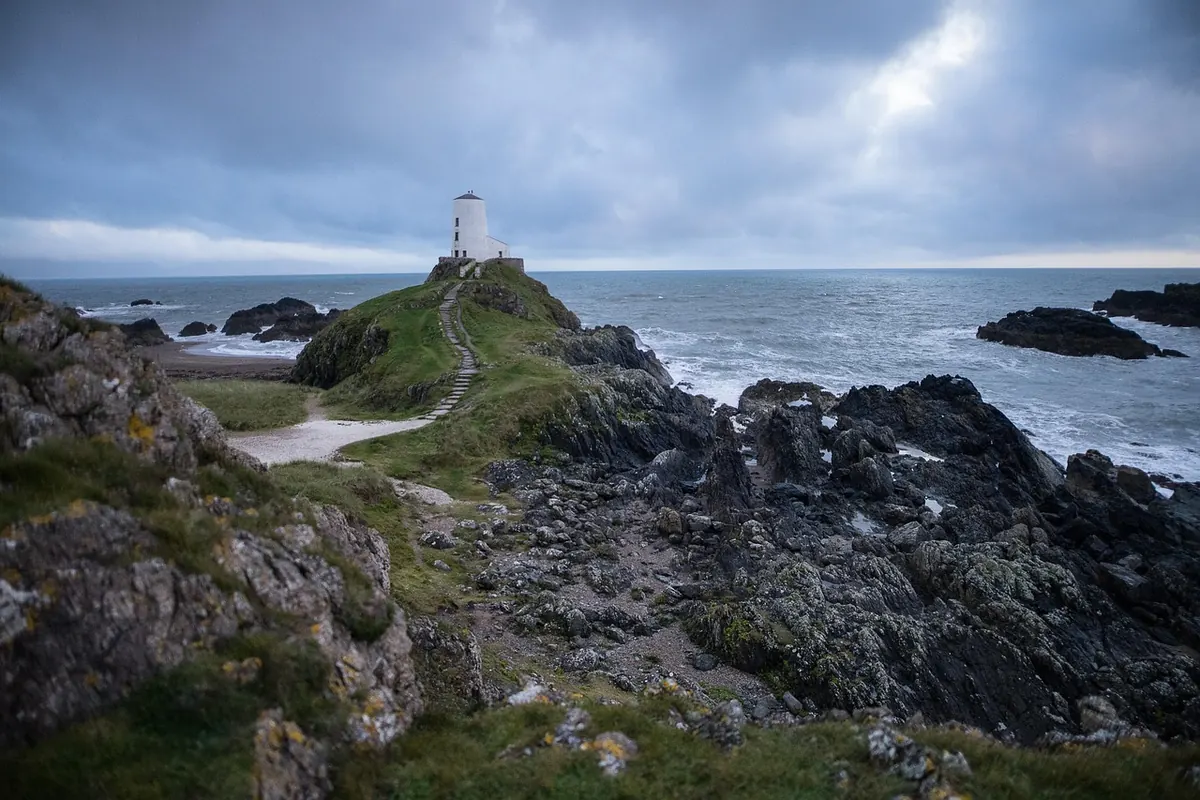
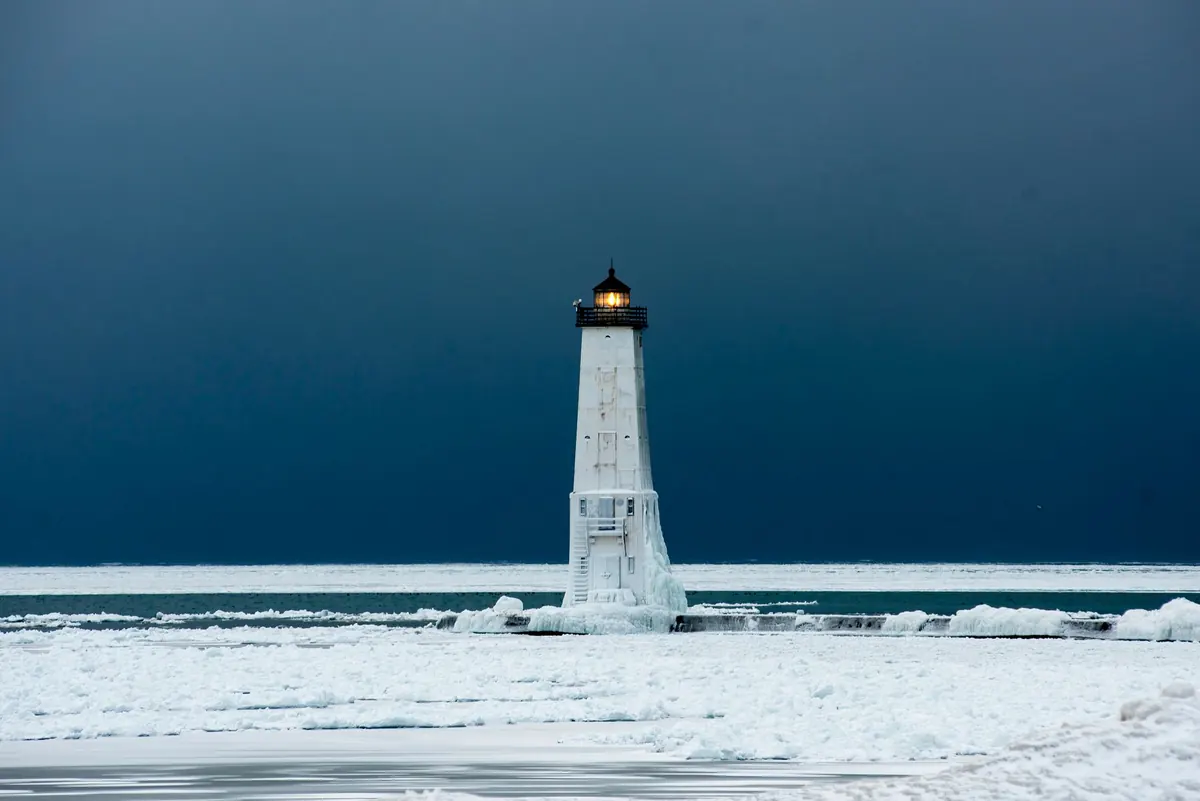
Marine radio beacons, radar beacons and aircraft navigation aids such as NDB and VOR stations all descend from the same idea — a fixed point broadcasting its identity so that anyone with the right receiver can work out where they are. Modern aids to navigation are mostly solid-state and low-power, often solar, but the job is unchanged: mark the hazard, mark the way in.
The most personal beacons are the emergency ones. A personal locator beacon, an EPIRB on a yacht or an aircraft ELT does the old hilltop job in a new way: it announces that something is wrong, and where, without anyone needing to see a flame. Read the instructions on your own device before you need it, keep the registration details current, and test only as the manufacturer permits — batteries are not endless and false alerts cost other people time.
What Survives, and Why
Beacon chains as warning systems are gone. The ceremony survived. Jubilee and coronation beacons have been lit across Britain and the Commonwealth for well over a century, and the sight of a line of fires stepping along a ridge on a summer night still does something to a crowd that a notification cannot. Heritage beacon sites — often no more than a mound, a stone base and a wide view — are worth seeking out on a walk.
Lighting One Yourself
If you would rather light a beacon than read about one, a few practical points will keep the evening enjoyable.
- Pick a site with a sightline to a second beacon, ideally one you can see from the road. A beacon nobody else can see is just a bonfire.
- Test the plan in daylight with a torch first. You will find the tree, the new barn and the hill you cannot quite see over before you have lit anything.
- Ask the landowner. On open access land, moorland or a Site of Special Scientific Interest, check with the local authority or the relevant body as well — fire risk and nesting birds can rule a site out entirely.
- Build the fire to burn hot and bright rather than long and smoky. Dry softwood, pallets and kindling beat a heap of green timber.
- Keep water, a shovel and a way to call the fire service. Tell neighbours, and if the fire will be large, tell the fire service in advance so nobody is turned out to a light they should have expected.
- Keep people back from the base and watch the wind. A change of direction is the usual reason a good beacon night goes wrong.
- Never point lamps, torches or lasers at aircraft. It is dangerous, it is illegal, and it spoils the view for everyone else on the hill.
A beacon is a simple promise: someone is watching, and the message will travel. Whether you send it with a flame, a shutter, a radio pulse or a torch on a winter ridge, the principle holds. Make it bright, make it clear, and make sure the next hill is looking.
Photo: ELG21 / Pixabay