Lighthouses are patient things. They have stood through storms, wars and the slow arrival of automation, and they will still be there next Tuesday. Most visits go beautifully. The ones that go wrong tend to fail for the same handful of reasons: a tide that turned earlier than expected, a gate that meant exactly what it said, a photograph taken at the wrong hour. None of it is hard to avoid. Here are the seven mistakes we see most often, and what to do instead.
1. Ignoring the Tide, Then Blaming the Tide
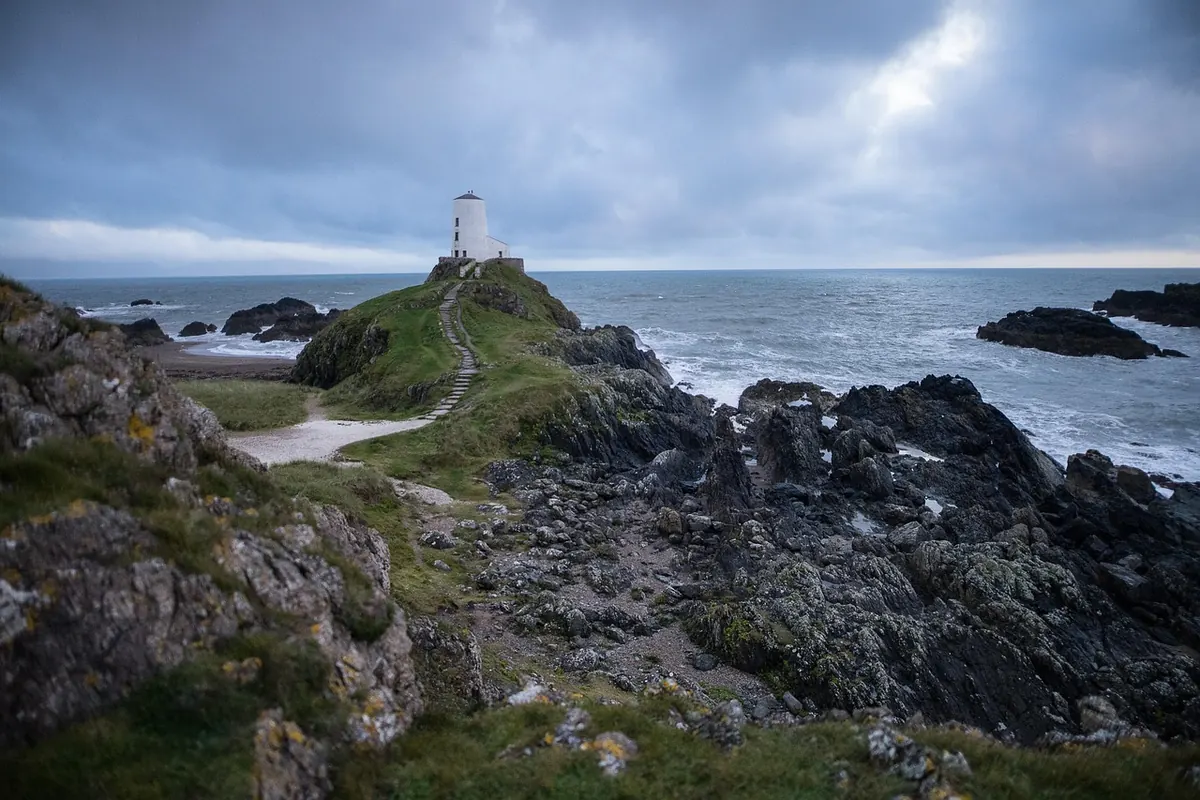
Tidal causeways, low-water crossings and rocky shorelines are the most common way a pleasant afternoon turns into a scramble. The tide does not arrive like a wave; it creeps, and then it moves.
- Look up the tide table for the nearest standard port, not simply the nearest town. Heights matter as much as times.
- Note low water and the time of it, then work backwards. You want to be off the crossing well before the flood gets going.
- Allow a generous margin. Spring tides run higher and faster than neap tides, and an onshore wind can push water in ahead of schedule.
- Identify your retreat route and a safe high point before you commit. If you cannot see one, do not cross.
- If the causeway is wet, weed-covered or the swell is running, leave it. The lighthouse will keep.
2. Treating Every Gate as an Invitation
A public footpath to a lighthouse does not grant access to the tower, the compound, the keeper's cottage garden or the harbour wall. Many towers still sit within working sites, private land, or areas used by the Ministry of Defence. Others are someone's home.
Access law differs across the UK. Scotland has a statutory right of responsible access over most land; England and Wales rely more on public rights of way and designated access land. That is a good reason to check before you assume. Ask at the visitor centre, the harbour office or the local heritage group. If access is genuinely disputed, take it up with the landowner or the local access authority rather than arguing at the gate — and if a matter becomes legal, seek proper advice.
3. Shooting at the Wrong Hour
Midday light flattens a lighthouse. The tower goes white and shapeless, the sea turns grey, and the lamp — the whole point of the building — disappears entirely.
What works instead
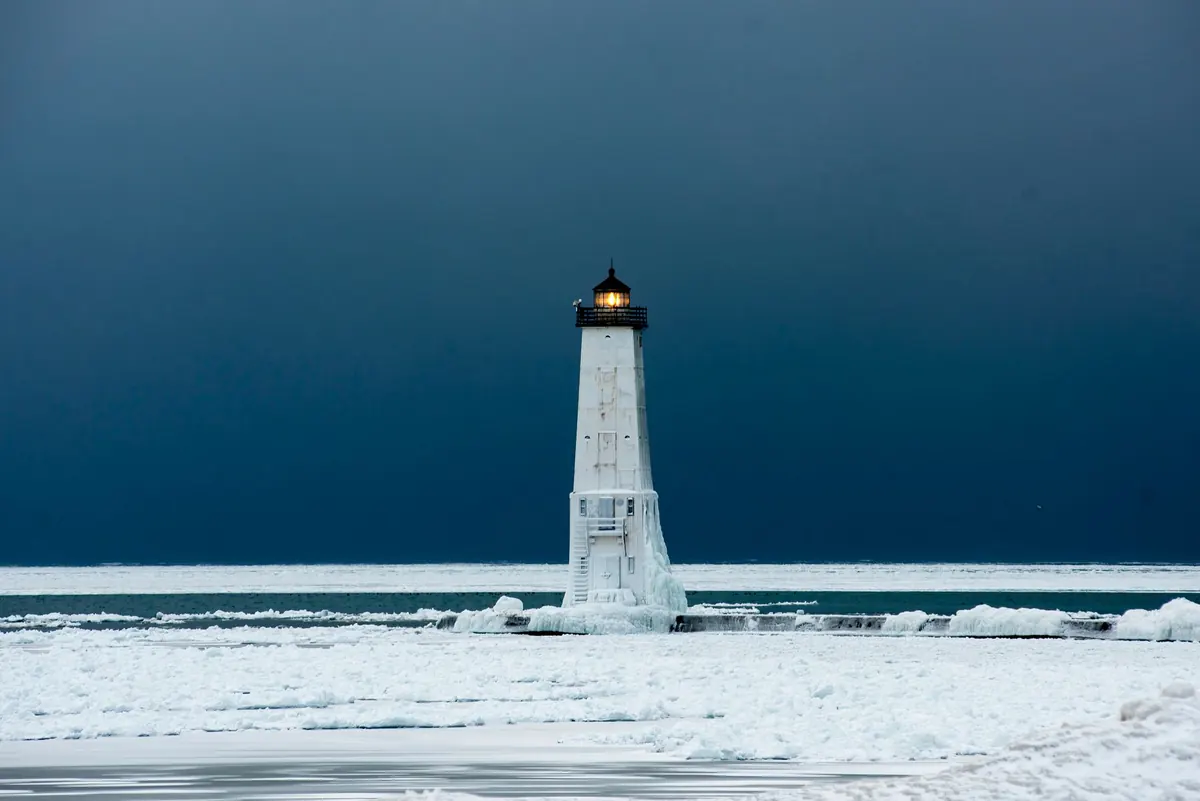
- Arrive early, stay late. Aim to be set up 45 minutes before sunset and to remain well into the blue hour, when the lamp becomes visible against a darkening sky.
- Use a tripod and switch off image stabilisation. A remote release or two-second timer removes the shake from your finger.
- Keep the ISO low and the aperture around f/8 to f/11 for sharpness across the tower.
- Time the flash. Note the light's character — a group of quick flashes, a single long one, a steady beam — then choose a shutter speed that captures two or three cycles rather than half of one.
- Wipe the lens. Sea spray and salt mist ruin more coastal photographs than bad composition ever does.
- Shoot raw so you can lift the shadow detail later without wrecking the colour.
A modern phone on a small tripod can do a surprising amount of this, but manual exposure control makes the difference when the lamp is pulsing.
4. Assuming the Tower Will Be Open
Many towers open only in the summer months, often for a few hours a week, staffed by volunteers. Some close for maintenance, some shut when the weather turns, and a good number have no public access at all — the light was automated decades ago and the door stays locked. Check the operator's website or social page, or ring the local visitor centre, on the morning you plan to go. Turning up on spec is fine for the view and disappointing for the stairs.
5. Packing for a Photograph When It Is Really a Walk
Lighthouse bagging is coastal walking with a camera attached. That means wind, wet rock, algae and, quite often, a return leg in the dark.
- Footwear with real grip, not fashion trainers
- A waterproof jacket that can handle horizontal rain
- A head torch with spare batteries, plus a small hand torch
- Water, food and any medication you need
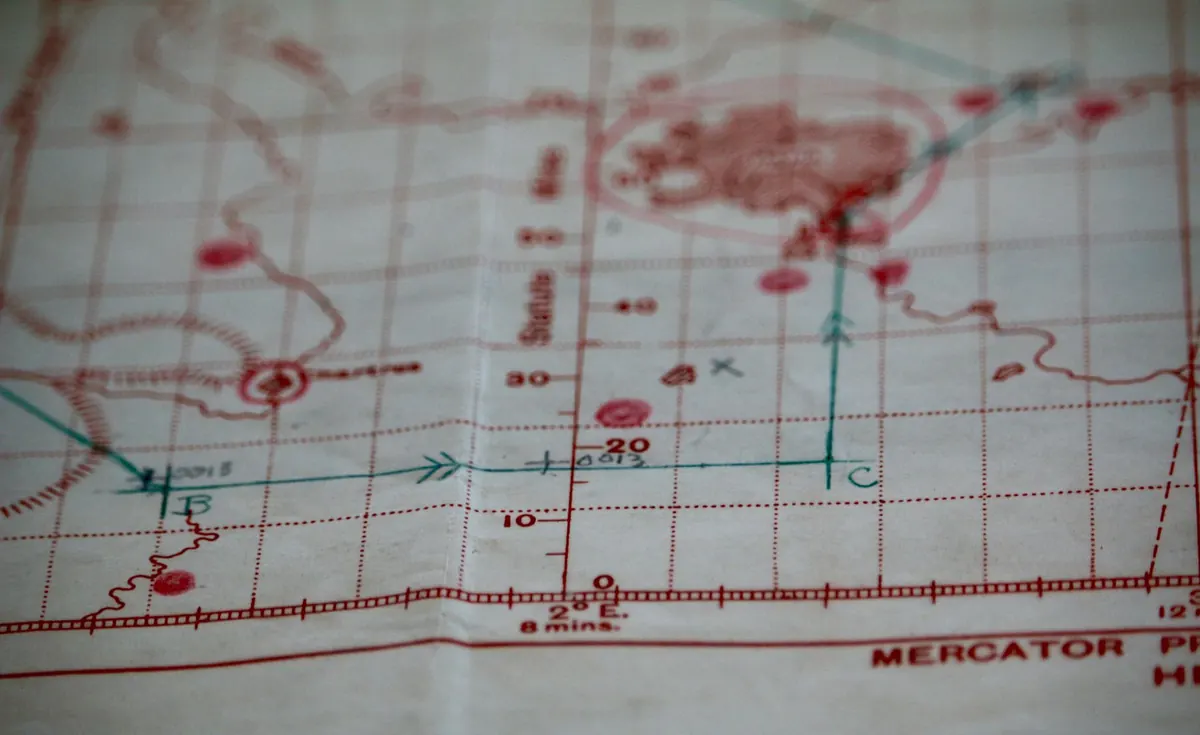
- A paper map or an offline map downloaded before you leave signal
Tell someone where you are going and when you expect to be back. Never turn your back on the sea to frame a shot, and stay well back from cliff edges — crumbling Cornish and Scottish cliffs are not always obvious from above.
6. Forgetting That Something Lives There
Cliff faces and offshore stacks are wildlife habitat first and viewpoints second. Nesting seabirds, hauled-out seals and delicate lichen communities all suffer from a close approach, a barking dog or a drone hovering overhead.
Keep your distance, keep dogs on a lead during nesting season, and follow the Civil Aviation Authority's drone rules — which in practice means flying well away from people, property and wildlife. If your presence changes an animal's behaviour, you are too close. Move on.
7. Leaving a Mark
Small acts add up. Stones moved for a photograph, a cairn built on fragile turf, litter tucked behind a wall, a gate left swinging in the wind. Take everything home with you, leave gates exactly as you found them, and resist the urge to clamber on railings or the lantern gallery for a better angle. If there is a café, a museum or a small shop nearby, spend something there — the people who maintain these places notice.
A Five-Minute Check Before You Leave the House
- Tide times and heights for the nearest standard port
- Who manages the site, and whether the tower is open today
- Sunset and blue-hour times, plus the torch for the walk back
- Footwear, waterproof, water, spare batteries
- A message to someone at home about your route and return time
Get those five right and the rest tends to look after itself. You will come home with dry feet, a clean conscience and a photograph of a lamp doing exactly what it was built to do.
Photo: TheOtherKev / Pixabay