A beacon lighting looks like the simplest event in the calendar. A fire, a hillside, a crowd, one bright moment. Then the first committee meeting happens and forty small jobs appear, each needing an owner. That is not a reason to abandon the idea. It is a reason to write everything down before you buy the matches.
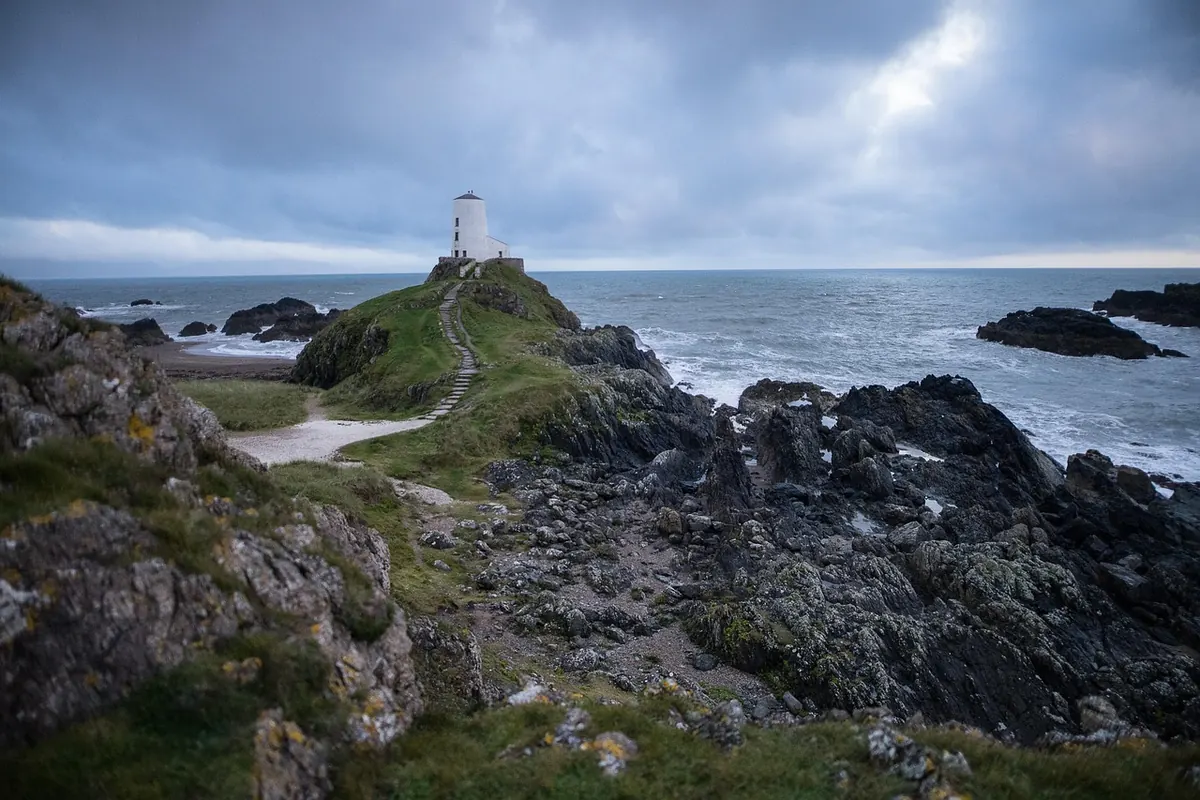
What follows is a working checklist for a committee running a local beacon lighting, whether on a village green, in a farmer's field, on a coastal headland or at a historic beacon site. Scale it to your event: fifty people on a recreation ground and two thousand with parking, a PA and a hog roast are different animals, but the shape of the job is the same.
Give the committee a shape first
Agree roles before you argue about catering. You need a chair, a treasurer, someone who owns the site and the fire, a volunteer coordinator, and a publicity lead. Five or six people is plenty; more becomes a talking shop. One person must have authority on the night, including the authority to cancel, and everyone should know who that is.
Fix the date, the lighting time and the venue in writing. If the event is part of a national chain of beacons, register early and note the agreed time so your moment matches everyone else's. Keep minutes short and decisions written down. A single shared folder, physical or digital, will save you hours later.
Permissions come before publicity
Nothing kills an event faster than a poster advertising a site you have no right to use. Work through this list and keep written evidence of every answer.
- Landowner consent in writing, naming the date and times, with access for vehicles and for setting up and clearing away.
- Your local authority — parish, town or district — plus any event notification they ask for.
- Highways, if you need a road closure, a parking suspension or signs on the public highway.
- The fire and rescue service, told in advance, and happy with your fuel and your plans for wind.
- Coastal sites: the coastguard, and the RNLI if there is a station nearby.
- Conservation consents if the beacon sits on a scheduled monument or a protected wildlife site, or if the National Trust, a wildlife trust or the Forestry Commission manages the land.
- Environmental health for any food or drink being sold, and licensing for alcohol or amplified music.
- Aviation: tell the nearest aerodrome or air traffic provider if you are close to an airfield or beneath a flight path.
- Neighbours and tenants, including any farmer whose livestock or fields will be affected.
Some of these take weeks and a few committees only meet monthly, so start before you book anything else. Where the plan involves gas, pyrotechnics or an unusually large fire, use a competent, insured supplier rather than improvising.
The fire: fuel, safety and the wind
Choose the fuel early, because everything else follows from it. A wood fire in a fabricated beacon basket behaves differently from a gas beacon, and a pyrotechnic device is another job again.
- Gas: use a competent supplier, keep cylinders upright and away from the public, check hoses and regulators, and know exactly how to isolate the supply.
- Wood: store fuel dry and well away from the lighting point, never use petrol or other accelerants, and decide in advance where the ash will go.
- Pyrotechnics: trained, insured operators only, with the fire service told beforehand.
Around the fire itself, plan an exclusion zone sized to the fuel and the conditions, stewards who watch the crowd rather than the flames, extinguishers, water, sand and gloves, and a clear method for putting it out. Weather decides more than timetables do: wind speed and direction determine whether you light at all, and dry ground decides whether anything else is safe. On high fire-risk days, take advice from the fire service and be genuinely willing to cancel. Near heathland or woodland, check for nesting birds and site restrictions. Livestock need moving well before the crowd arrives.
Wind, not the printed programme, decides whether the beacon burns.
Volunteers: ask early, rota properly, feed them
Work out how many people you need before appealing for them, then recruit three or four weeks out. A medium-sized event usually needs marshals, car parking, a gate or donation point, refreshments, a qualified first aider, set-up and clear-up crews, and someone on litter and toilets. Add a photographer, and a runner who knows the site and can fetch things.
Rota in two-hour blocks and never leave one person on a gate for the whole evening. Brief everyone together about forty-five minutes before gates open: the layout, their role, the radio or phone channel, what to do if someone is injured, the signal to stop the event, and who makes that call. Give them high-visibility vests, torches, water, hot drinks, food, toilet access and somewhere warm to sit. If under-18s volunteer or children are involved, follow your group's safeguarding policy. Thank your helpers publicly, and again in writing afterwards.
Insurance and licensing: sort it early, keep the paperwork
Check that your public liability cover names the event, the date and the site, and that it extends to fire, volunteers and your expected visitor numbers. Many policies set conditions such as a risk assessment or a minimum number of stewards; find out before you advertise, because cover cannot usually be arranged after the fact. Employer's liability applies if you pay anyone. Selling alcohol or playing amplified music normally brings licensing requirements with it, and music may also involve PRS and PPL. Independent caterers must have their own food hygiene arrangements. Confirm first aid provision and keep a simple incident log on the night.
Insurance and licensing rules vary and change, so confirm the position with your insurer and your council's licensing team rather than relying on what another group did last year. For anything you are unsure about, take proper professional advice.
Publicity, and the shape of the evening
Tell the story through the local paper, the parish newsletter, noticeboards, social media, schools, churches and history groups. Be specific about the time and the place, and honest about parking: if there is none, say so and promote walking, cycling, lifts and any shuttle you can organise. Publish two to three weeks ahead, then repeat forty-eight hours before with a line about the weather and any change of plan.
Give the evening a shape: gates open, music or a short reading, a brief welcome, the countdown, the lighting at the agreed time, a few minutes of quiet, thanks to the landowner and helpers, and a clear ending. Put the timings on one sheet of paper and give a copy to everyone with a role.
After the last ember
- Put the fire out properly and dispose of ash and fuel safely.
- Walk the site by torchlight: litter, hazards, gates, fences, anything left behind.
- Thank the landowner and any neighbours who put up with the traffic.
- Hold a short debrief within a fortnight, while memories are fresh, and note what to change.
- File the risk assessment, permissions, insurance documents and incident log together.
- Reconcile the money, record any surplus and agree what it is for.
- Store the beacon dry and check it over before it goes away.
Do the groundwork and the night pays you back: the first crackle, the hush, the cheer as the light goes up and answers the next hill along. Everything above is simply what buys that moment.
Photo: cromagnon130 / Pixabay