Two structures, one headland, and a light on each. One has a lantern room, a gallery rail and a chart symbol you can look up. The other may be nothing more than a steel cage on a stone plinth. Visitors call both of them lighthouses; members of a beacon society tend to wince.
The distinction is not pedantry. A lighthouse and a signal beacon were built to do different jobs, and that difference shows up in where they stand, how they are put together and how they are run. Once you know what to look for, the two separate cleanly — usually at a glance.
What the two words actually mean
A lighthouse is a fixed aid to navigation. Its job is to be seen from the water, from a known position, so a mariner can work out where they are and what lies near them. It is charted, numbered and given a light character: a precise pattern of flashes, occultations or a fixed light that identifies the station and no other. In the UK, the general lighthouse authorities — Trinity House for England, Wales, the Channel Islands and Gibraltar; the Northern Lighthouse Board for Scotland and the Isle of Man; the Commissioners of Irish Lights for Ireland — oversee these structures, and their details appear in the Admiralty List of Lights.
A signal beacon is older and broader. The word comes from the Old English bēacn, meaning a sign. A beacon carries a message: danger approaching, an event worth marking, a route to follow, a position to fix by radio. Hilltop fire beacons once warned of invasion fleets. Modern beacon chains are lit for jubilees and coronations. Aviation beacons and emergency position-indicating radio beacons carry their messages without anybody seeing a flame.
Purpose: message or mark?
Ask what the light is for and you have most of your answer.
A lighthouse serves navigation. It warns of a reef, marks a safe channel, announces a landfall or shows where a harbour entrance lies. It is aimed at people on vessels, often several miles offshore, and it must be dependable every night and in every fog. Accuracy of position is everything; a lighthouse that is a hundred metres out of place is a hazard in itself.
A signal beacon serves communication. It is aimed at whoever can see or hear it: the next hill, a cockpit, an aircraft on approach. A fire beacon transmits “the fleet is coming” or “the coronation has happened”. An aerodrome beacon transmits “this airfield is here and it is open”. A non-directional radio beacon transmits a signal that aircraft instruments can home in on. The message matters more than the precise spot the structure occupies.
Location and setting
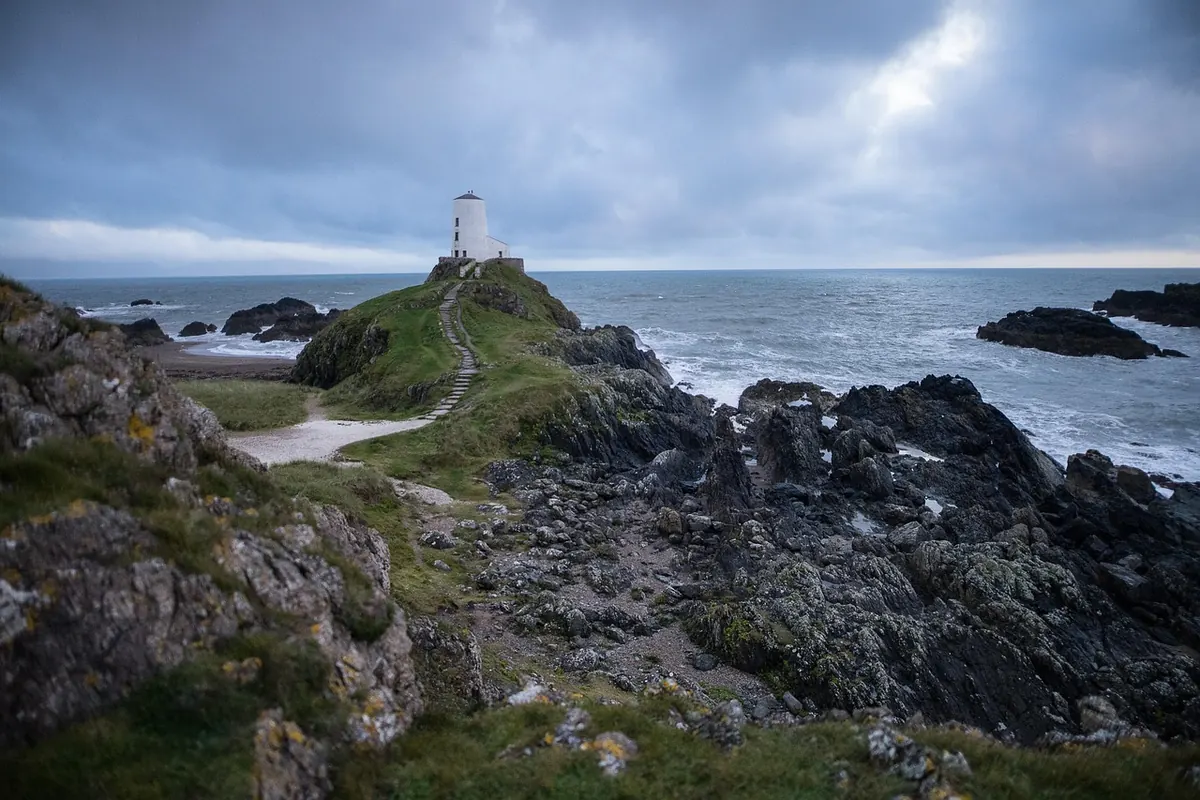
Lighthouses stand where the sea is dangerous and the land runs out: wave-washed rocks, pier heads, headlands, harbour mouths, the corner of an island. Their positions were dictated by shipping, not by the convenience of builders. That is why so many are awkward to reach, and why a few were built on reefs that had already claimed ships.
Signal beacons are placed where the view is. Hilltop, ridge, moorland summit, church tower, town square, airfield perimeter. Historically they formed chains, each site chosen so the next one along could see it, letting a message travel across a county in an evening. Height mattered more than usefulness to shipping — although plenty of beacons sit on the coast, and a harbour mouth can hold a lighthouse and a beacon within a few hundred metres of each other.
Construction and build
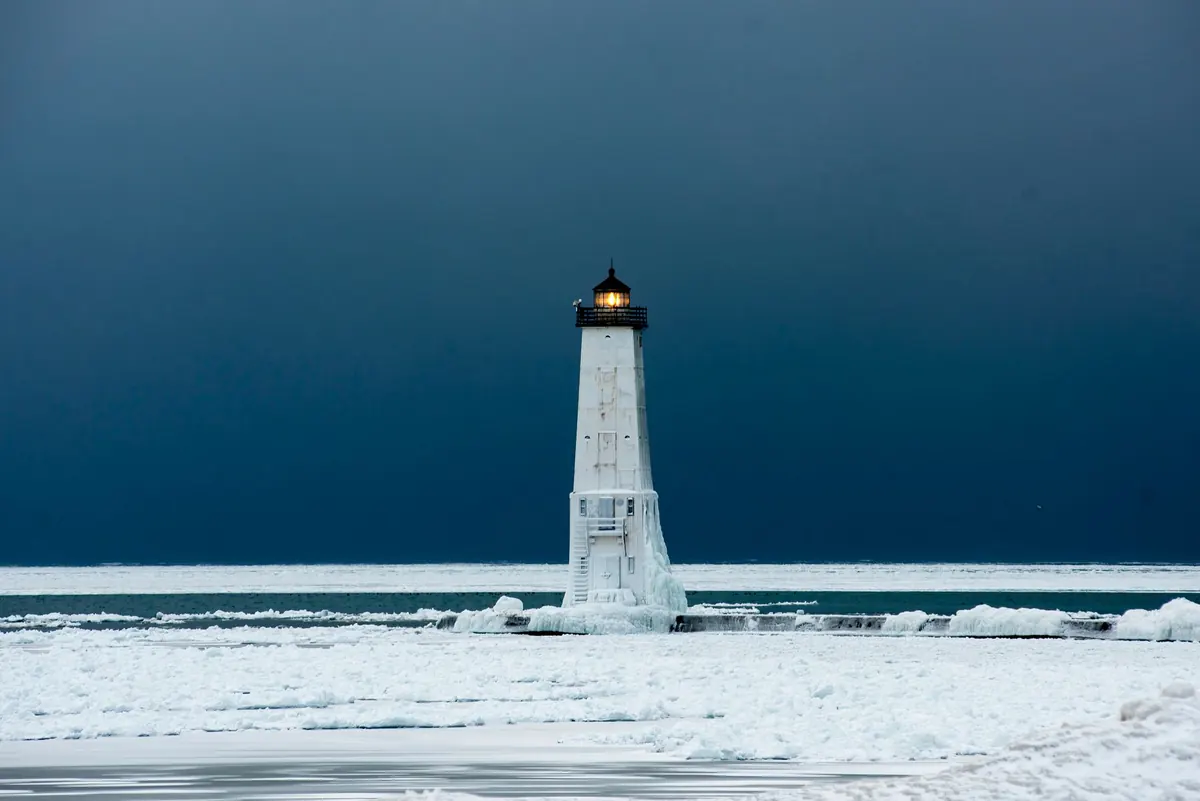
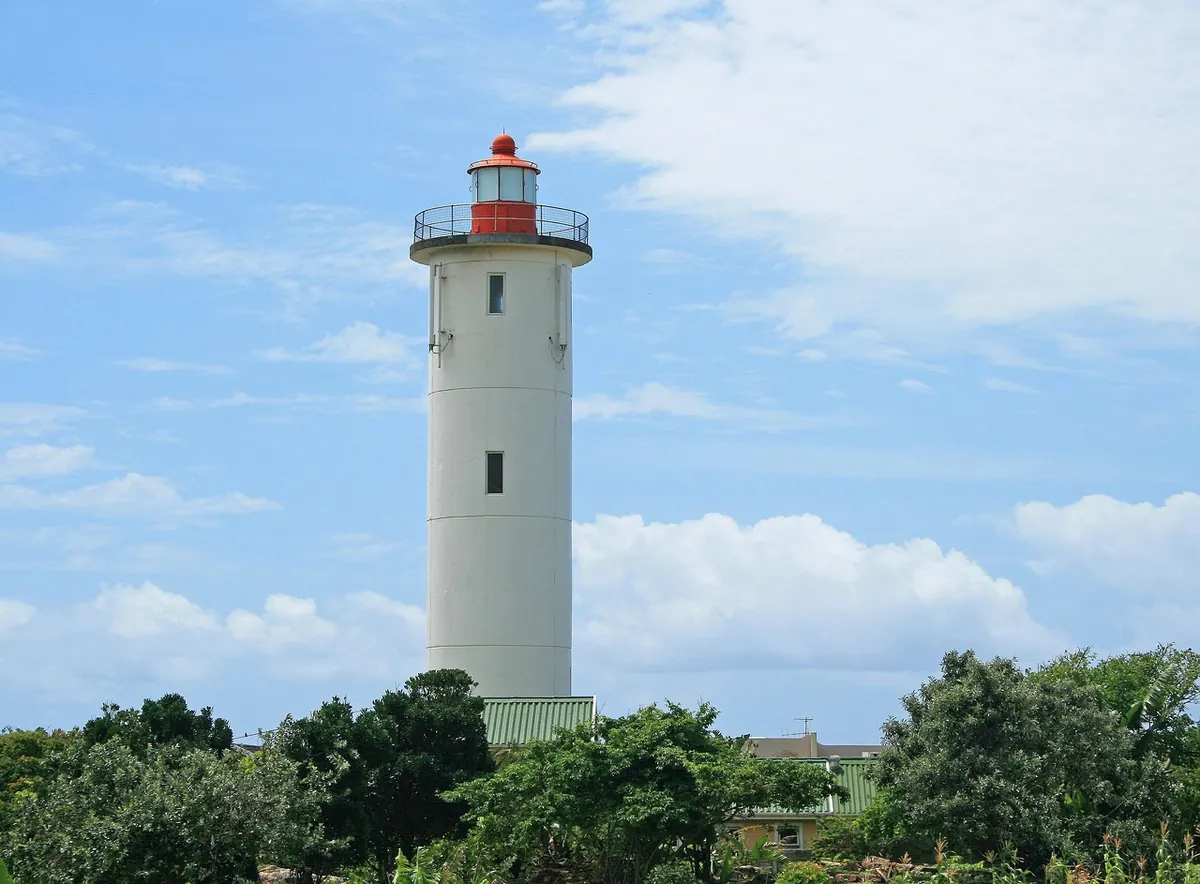
The lighthouse is a piece of marine engineering. Expect a tapered tower, thick masonry or concrete, deep foundations, a lantern room of bronze or cast-iron glazing bars, a gallery with a handrail, and a lens inside. The classic optic is a Fresnel lens, a stepped glass assembly that takes a modest lamp and throws its beam far out to sea. Weight-driven clockwork once turned the lens; electric motors and LED arrays do the work now.
Beacons are lighter, cheaper and frequently rebuilt. A hilltop beacon might be a stone plinth, a basket, a brazier or a steel cage on a mast. Many are designed to be assembled for a single night and taken down afterwards. Radio beacons are barely physical at all: a mast or aerial, a transmitter cabinet and a power supply. Where a lighthouse shrugs off decades of salt and storm, a beacon makes its point and is often replaced.
Operation and upkeep
Lighthouse operation is metronomic. Each station has a published character — say, two flashes every ten seconds — a nominal range, often sector lights to mark a safe arc, and in some cases a fog signal. The last of the UK’s resident keepers left their stations during the 1990s, and monitoring now happens remotely, but the light itself is expected to behave exactly as the chart says, night after night.
Beacon operation is event-led or continuous, depending on type. A fire beacon is lit at dusk on a chosen date and doused at dawn. An aerodrome beacon runs when flying conditions require it. A radio beacon transmits around the clock on its assigned frequency. The common thread is that a human decision starts it: a beacon is switched on because somebody has something to say.
Telling them apart in the field
Run through these checks in order and you will rarely be wrong:
- Look for the lantern room. Glazed housing, a lamp and lens, a gallery rail and a door high up. That is a lighthouse or a major navigation light.
- Check the light character. If the flashes follow a documented pattern you can look up on a chart or in a list of lights, you are dealing with a navigational aid.
- Read the setting. Seaward, exposed and near a hazard suggests a lighthouse. Inland, high and with a long view suggests a beacon.
- Assess the build. Engineered masonry tower with foundations: lighthouse. Brazier, cage, plinth, mast or a bolted frame meant to come apart: beacon.
- Ask who benefits. If the structure exists to fix a position at sea, it is navigation. If it exists to announce, warn or celebrate, it is signalling.
- Allow for overlap. Some coastal beacons also carry a navigation light, and a pair of leading lights — kept in line to steer a channel — are effectively two small lighthouses working as a team.
A practical routine for recording what you find
When you reach a site, note the position first, ideally with a grid reference, then photograph the lantern or light housing, the base and any maker’s plate or inscription. Time a few flashes with a stopwatch and write down the pattern before you look it up — it is easy to talk yourself into the expected answer. Check the structure against a chart or list of lights afterwards, and record what you saw rather than what you assume.
Safety comes before the record. Cliff paths crumble, tides cut off causeways, and lighthouse towers are working structures with locked doors and steep stairs. Stay on rights of way, ask at the harbour office or estate office if access is unclear, and never climb a beacon cage or light a fire without permission. Then write it up while the details are fresh, with the date, the weather and the state of the light clearly noted for whoever reads your log next.
Photo: Bluesnap / Pixabay